 Pay with Crypto: Receive FREE product and 5% discount code: CRYPTO5

Testosterone sits at the centre of nearly every anabolic steroid conversation, yet many people starting out in bodybuilding still confuse testosterone itself with the dozens of synthetic derivatives built around it. The distinction matters. All anabolic-androgenic steroids (AAS) trace their lineage back to testosterone, but the specific testosterone preparations used in bodybuilding differ from one another in meaningful ways, from how quickly they enter the bloodstream to how often they need to be injected. Grasping these differences is the first step toward making informed choices about performance enhancement.
In this piece, we break down the main types of testosterone steroids used in bodybuilding, explain where each one fits in bulking and cutting phases, and outline the health risks and post-cycle considerations that come with them. The goal is plain-English clarity rather than hype. Whether you are comparing esters for the first time or trying to understand how testosterone pairs with other compounds, the information here should give you a solid foundation. If you are looking for quality-controlled products alongside responsible-use guidance, Steroids UK is worth exploring as a starting point for your research.
What Counts As A Testosterone Steroid
The term "testosterone steroid" can mean different things depending on context. In bodybuilding, it almost always refers to exogenous testosterone, meaning testosterone made outside the body and introduced through injection or, less commonly, oral administration.
Testosterone is the primary androgen, a class of hormones responsible for male characteristics. When testosterone binds to the androgen receptor inside muscle cells, it triggers anabolic (tissue-building) processes. It also converts into dihydrotestosterone (DHT), a more potent androgen linked to both strength and certain side effects like hair thinning.
Testosterone vs. Other Anabolic Steroids
Every anabolic steroid is, at its core, a modified version of testosterone. Chemists alter the testosterone molecule to shift the balance between anabolic (muscle-building) and androgenic (masculinising) effects. Nandrolone, for example, is testosterone with one structural change that makes it less androgenic. Stanozolol is modified even further.
Pure testosterone preparations keep the original molecule intact and simply attach an "ester" to control how fast the body absorbs them. That is the key difference: testosterone steroids deliver the hormone itself, while other AAS deliver chemically altered relatives of it.
Where Testosterone Replacement Therapy Fits In
Testosterone replacement therapy (TRT) uses the same esters found in bodybuilding, typically testosterone enanthate or cypionate, but at much lower doses prescribed by a doctor to treat clinically low testosterone. The compounds are identical; the dose, intent, and medical oversight are not. Bodybuilding use involves supraphysiological amounts, well above what the body would produce on its own, which is why the risk profile changes significantly.
The Main Testosterone Esters Used In Bodybuilding
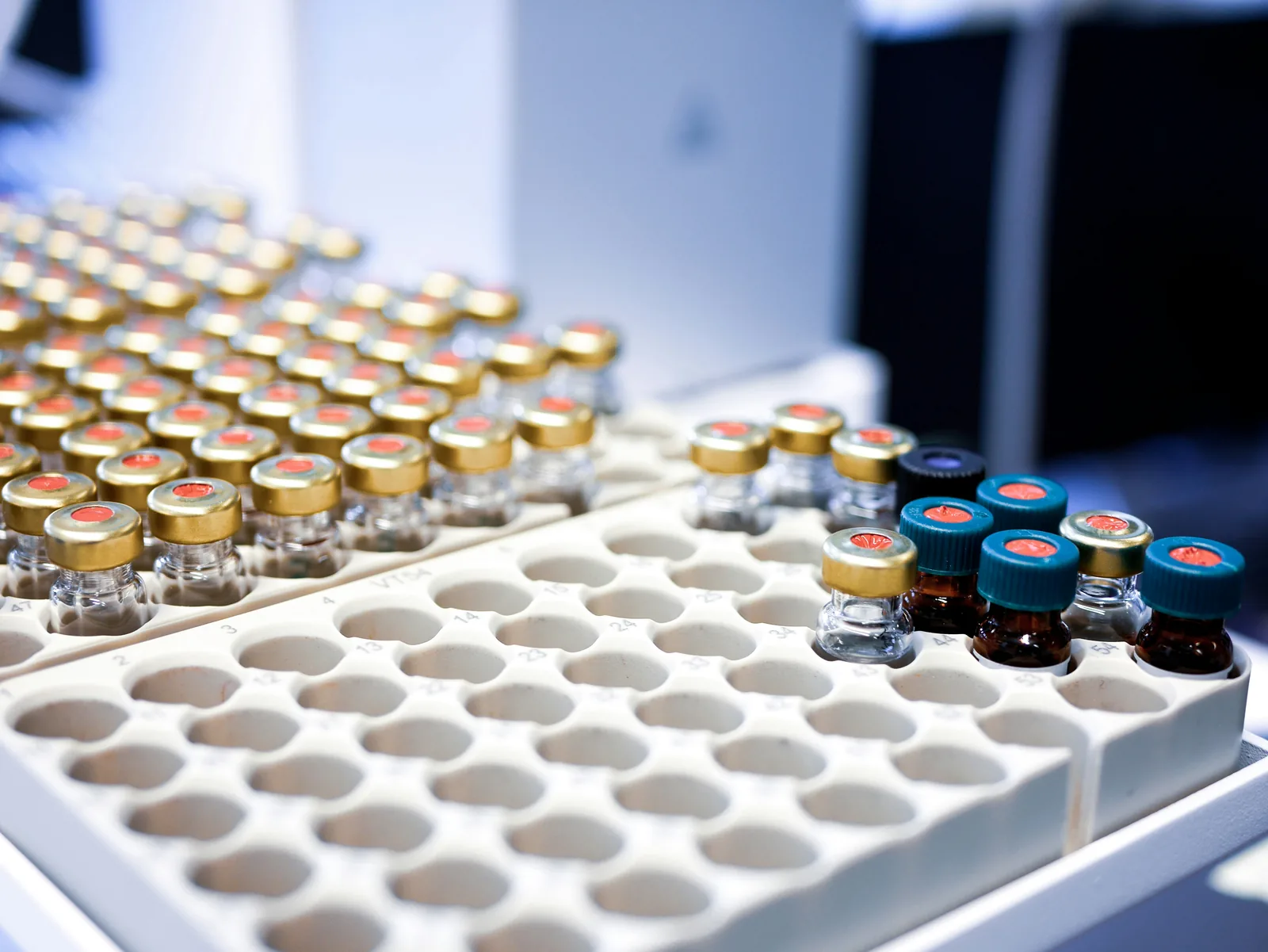
An ester is a chemical chain attached to the testosterone molecule. It does not change the hormone itself. Instead, it controls the release rate after injection, which affects how often you need to inject and how stable blood levels remain. Below are the esters most commonly encountered in UK bodybuilding circles.
Testosterone Suspension
Testosterone suspension is pure testosterone with no ester attached. It enters the bloodstream almost immediately, producing a rapid spike in blood levels. The trade-off is a very short active life, often requiring daily or even twice-daily injections. It is water-based rather than oil-based, and injections tend to be more uncomfortable. Most users reserve suspension for pre-workout timing or short-term strength goals. It is not a practical choice for most people.
Testosterone Propionate
Propionate carries a short ester, giving it an active life of roughly two to three days. Injections are typically needed every other day. Blood levels peak and drop faster than with longer esters, which can be useful during cutting phases when precise control over water retention is valued. The frequent injection schedule puts many beginners off.
Testosterone Enanthate
Enanthate is one of the two most popular injectable steroids in bodybuilding worldwide. Its longer ester allows injections once or twice per week. Blood levels remain relatively stable, making it straightforward to manage. In our experience, enanthate is the ester most often recommended as a first introduction to testosterone use because of its predictable behaviour.
Testosterone Cypionate
Cypionate is almost interchangeable with enanthate. The ester is only slightly longer, and the practical difference in injection frequency is negligible. Cypionate has historically been more common in North America, while enanthate dominates in the UK and Europe. Both deliver the same hormone, and choosing between them often comes down to availability.
Testosterone Undecanoate
Undecanoate is the longest-acting ester, with injections sometimes spaced weeks apart. It is also available in an oral form marketed under the brand name Andriol. Oral testosterone is uncommon in bodybuilding because absorption is variable and the doses needed can be impractical. The injectable version sees limited bodybuilding use, mainly in contexts where infrequent dosing is a priority.
Ester | Typical Injection Frequency | Release Speed | Common Phase |
|---|---|---|---|
Suspension (no ester) | Daily or twice daily | Very fast | Pre-event / short bursts |
Propionate | Fast | Cutting | |
Enanthate | 1–2 times per week | Moderate | Bulking / all-purpose |
Cypionate | 1–2 times per week | Moderate | Bulking / all-purpose |
Undecanoate | Every few weeks | Slow | TRT / infrequent dosing |
How Testosterone Fits Bulking, Cutting, And Stacking
Testosterone is often called the "base" of a steroid cycle, and with good reason. It supports the body's essential hormonal functions while other compounds are layered on top. Its role shifts depending on the goal.
Testosterone in a Bulking Cycle
During a bulking phase, the aim is maximum muscle growth. Testosterone promotes this through several pathways: enhanced protein synthesis, improved nitrogen retention in muscle tissue, increased red blood cell production, and greater intracellular fluid volume. These factors work together to drive muscle hypertrophy and strength gains.
Bodybuilders pursuing size often pair testosterone with compounds like dianabol (methandrostenolone) for a kickstart, or deca-durabolin (nandrolone decanoate) for sustained mass. Anadrol (oxymetholone) is another bulking partner, though it carries heavier side-effect potential. Enanthate or cypionate esters are the usual testosterone choices here because stable blood levels suit longer cycles.
Testosterone in a Cutting Cycle
During cutting, the priority is fat loss while preserving lean muscle. Testosterone still serves as the hormonal base, but at lower amounts. The catabolic risk from calorie restriction makes maintaining adequate testosterone levels important.
Common cutting companions include anavar (oxandrolone), winstrol (stanozolol), primobolan, and masteron. Some users add non-steroidal agents such as clenbuterol or HGH to support fat burning and metabolism. Propionate is sometimes preferred during cuts because its shorter ester allows quicker clearance and may produce less water retention than longer-acting versions.
Stacking, Cycling, and Pyramiding
Stacking means using two or more compounds together. Cycling refers to set on-and-off periods of use. Pyramiding involves gradually increasing and then decreasing doses within a cycle. Testosterone fits all three strategies.
A simple beginner stack might involve testosterone enanthate alone. More advanced users sometimes combine testosterone with trenbolone, boldenone, or SARMs, though each additional compound adds complexity and risk.
Retailers like Steroids UK organise products around bulking and cutting goals, which can help newer users understand where different compounds sit. The critical point remains: stacking increases the potential for side effects, so each addition should have a clear purpose.
Side Effects, Health Risks, And Monitoring Considerations
No testosterone preparation is free from risk. The type and severity of side effects vary with the ester used, the dose, individual genetics, and what other compounds are in the mix.
Oestrogen-Related Effects
Testosterone converts to oestrogen through the aromatase enzyme. This can cause gynecomastia (breast tissue growth), water retention, and elevated blood pressure. Aromatase inhibitors such as anastrozole are often used alongside testosterone to manage these effects, though over-suppressing oestrogen carries its own problems.
Androgenic Effects
Because testosterone converts to DHT, androgenic side effects are common. These include acne, oily skin, accelerated hair loss in those genetically predisposed, and, in women, virilisation (deepening voice, facial hair). DHT-derived steroids like masteron or winstrol add to this androgenic load.
Cardiovascular and Liver Concerns
Supraphysiological testosterone use can negatively shift cholesterol profiles, lowering HDL and raising LDL. Blood pressure may also rise, particularly with compounds that cause significant water retention.
Oral steroids carry the greatest liver toxicity risk. Methyltestosterone and superdrol are especially hepatotoxic, elevating liver enzymes and potentially causing liver damage with prolonged use. Pure injectable testosterone esters are not methylated and place far less strain on the liver, though they are not entirely without cardiovascular risk.
Fertility and Hormonal Suppression
Exogenous testosterone suppresses the body's own production through the hypothalamic-pituitary-testicular axis. Extended use without recovery periods can lead to infertility and testicular atrophy. This is one of the strongest arguments for structured cycling and thorough post-cycle planning.
Monitoring
Regular blood work is not optional for anyone using AAS. Liver enzymes, lipid panels, haematocrit, blood pressure, and hormone levels should all be checked before, during, and after a cycle. Treating steroid use as something that does not require medical oversight is one of the most common and most dangerous mistakes we see.
Post-Cycle Planning, Legal Context
What happens after a cycle matters as much as the cycle itself. Without a structured post-cycle therapy (PCT) protocol, natural testosterone production can remain suppressed for months, leading to fatigue, mood disturbance, muscle loss, and sexual dysfunction.
Post-Cycle Therapy Basics
PCT typically begins a set number of days after the last injection, depending on the ester's clearance time. The most widely used PCT medications are:
Nolvadex (tamoxifen) stimulates the pituitary to resume luteinising hormone output.
Clomid (clomiphene) works similarly, often used alongside or instead of Nolvadex.
HCG (human chorionic gonadotropin) mimics luteinising hormone and can be used during or immediately after a cycle to maintain testicular function.
TUDCA is a liver-support supplement commonly taken during cycles that include oral steroids.
Steroids UK provides educational resources around post-cycle therapy, reinforcing the point that responsible use extends well beyond the cycle itself.
Legal Context in the UK
Anabolic steroids are Class C substances under UK law. Possessing them for personal use is not illegal, but manufacturing, supplying, or importing them with intent to supply is a criminal offence. Buying from unregulated sources carries additional health risks because product quality and contents cannot be verified.
Frequently Asked Questions
What are the main forms of testosterone used by bodybuilders?
The most common forms are testosterone enanthate, testosterone cypionate, and testosterone propionate. Testosterone suspension (no ester) and testosterone undecanoate are also used, though less frequently. Each delivers the same hormone but differs in how quickly it is absorbed and how often injections are needed.
How do short-acting and long-acting testosterone esters differ?
Short-acting esters like propionate clear the body within a few days and require injections every other day. Long-acting esters like enanthate and cypionate stay active for roughly a week, allowing once- or twice-weekly injections. The choice affects injection frequency, blood-level stability, and the timing of post-cycle therapy.
Which testosterone ester is typically considered best for beginners in bodybuilding?
Testosterone enanthate is the most commonly recommended ester for beginners. Its once- or twice-weekly injection schedule is manageable, blood levels remain relatively stable, and it is widely available in the UK. Cypionate is an equally valid option with near-identical properties.
How is testosterone administered for bodybuilding purposes?
The vast majority of testosterone used in bodybuilding is administered via intramuscular injection, typically into the glute, quad, or deltoid. Oral testosterone (undecanoate / Andriol) exists but is rarely used in bodybuilding due to inconsistent absorption and the large doses required.
What are the common side effects associated with different testosterone preparations?
All testosterone esters can cause oestrogen-related effects such as gynecomastia and water retention, as well as androgenic effects like acne and hair loss. Shorter esters may cause more injection-site soreness. Oral testosterone variants and methylated compounds carry a higher risk of liver strain. Cardiovascular stress, including unfavourable cholesterol changes, applies across the board at supraphysiological doses.
How do testosterone blends compare with single-ester products?
Testosterone blends, such as Sustanon 250, combine multiple esters (typically propionate, phenylpropionate, isocaproate, and decanoate) in one injection. The idea is to provide both fast and sustained release. In practice, many experienced users find single-ester products simpler to manage because blood levels are more predictable and PCT timing is more straightforward.